



Energy storage systems are key components in the integration of renewable energy sources, which have become increasingly important today. They play a significant role in ensuring that existing electrical systems operate in a strong and reliable manner. Energy storage systems enable the storage of excess energy produced in renewable energy systems. In addition, they are widely used in areas such as:
- Power stability
- Grid integration
- Frequency control
- Voltage management
Their use is rapidly becoming more widespread in modern energy systems.
Importance of Energy Storage Systems
Today, renewable energy has become critically important. In this context, energy storage systems play a major role in integrating renewable energy sources into the grid.
They contribute significantly to maintaining a durable and reliable electrical system. They also help regulate frequency response, stabilize power fluctuations, and improve the efficiency of renewable energy systems. As a result, they also contribute to reducing greenhouse gas emissions.
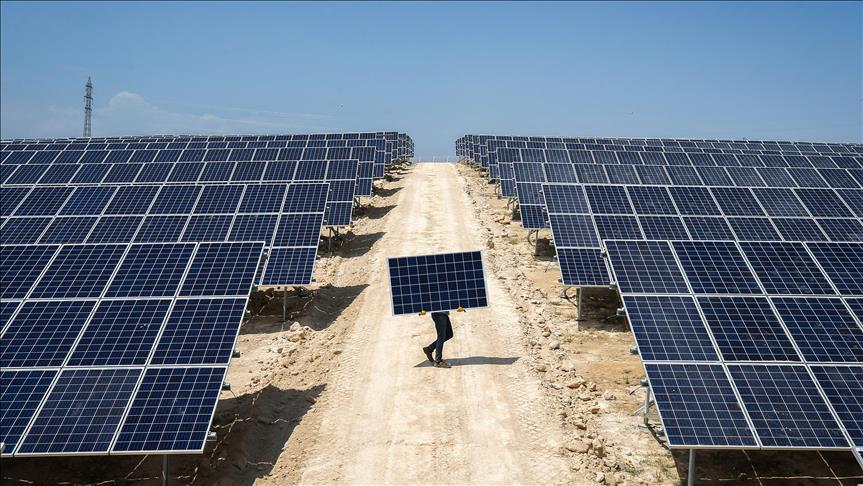
Energy storage systems include several different technologies, such as:
- Mechanical storage (e.g., pumped hydro systems)
- Electrochemical systems (batteries)
- Compressed air and flywheel systems
Thermal or hydrogen storage systems
Energy Storage Methods
There are several methods used in energy storage systems. These can be classified as:
- Mechanical systems
- Thermal systems
- Electrochemical systems (batteries)
- Hydrogen storage systems
Cost of Energy Storage Systems
Energy storage systems are very important in renewable energy applications. At the same time, their cost plays a significant role in commercial investment decisions.
These systems include both investment and operational costs. Operational costs include maintenance, replacement, and system operation expenses.
In some cases, additional components also increase total investment cost. As a result, these systems may have relatively high investment costs per kW.

Which Energy Storage Systems Are More Efficient?
Among energy storage technologies, compressed air systems and pumped hydro storage generally have lower investment costs. Although batteries are more expensive, they offer higher efficiency.
For this reason, battery technologies are expected to become more widespread in the future.
Will Energy Storage Systems Become More Common in the Future?
Energy storage systems vary in energy density, lifespan, cost, and efficiency depending on their technology.
In addition to storing excess renewable energy, they are also increasingly used for:
- Frequency control
- Grid integration
- Power stability
- Voltage management
Therefore, energy storage technologies are expected to play a significant role in the coming years and continue to evolve rapidly.


 Hakkımızda
 Vizyon Dergisi
 Genel Müdür Mesajı
 KVKK
KVKK General Manager's Message