

Supply Pressure in the Global Transformer Market
Long-Term Contracts Are Gaining Importance in the Energy Equipment Market
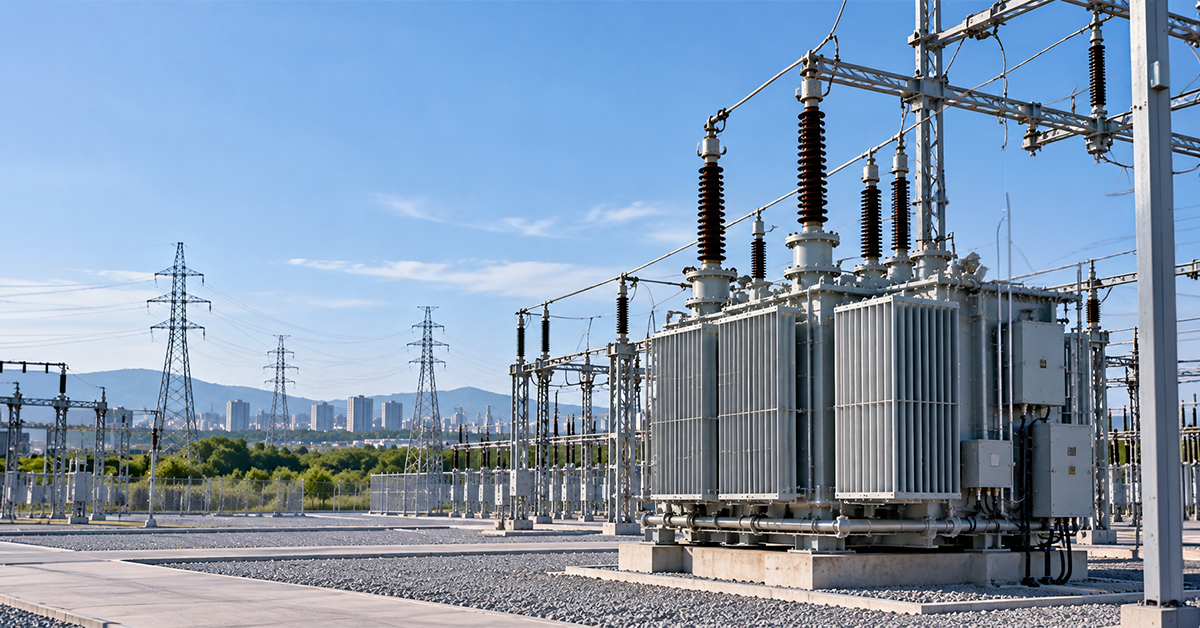
Rising electricity consumption worldwide, the surge in AI data center construction, new energy investments and the renewal of existing electrical infrastructure are also increasing demand for transformers. In particular, production capacity for large power transformers is failing to keep pace with growing demand, and lead times are getting longer. Companies’ procurement and project planning processes are directly affected as a result.
According to industry research published in 2026, lead times for large power transformers have begun to stretch to as much as five years in some markets. Planning energy investments and completing projects on time has now become a far more critical issue.
According to research by the International Energy Agency (IEA), lead times for the key equipment used in electricity grids have lengthened significantly since 2021. For large power transformers, lead times reach up to four years for some orders, and models that require high voltage or special manufacturing can face even longer waits. The simultaneous rise in global transformer demand is making it difficult for manufacturers to meet that demand with their existing capacity.
Why Are Transformer Lead Times Getting Longer?
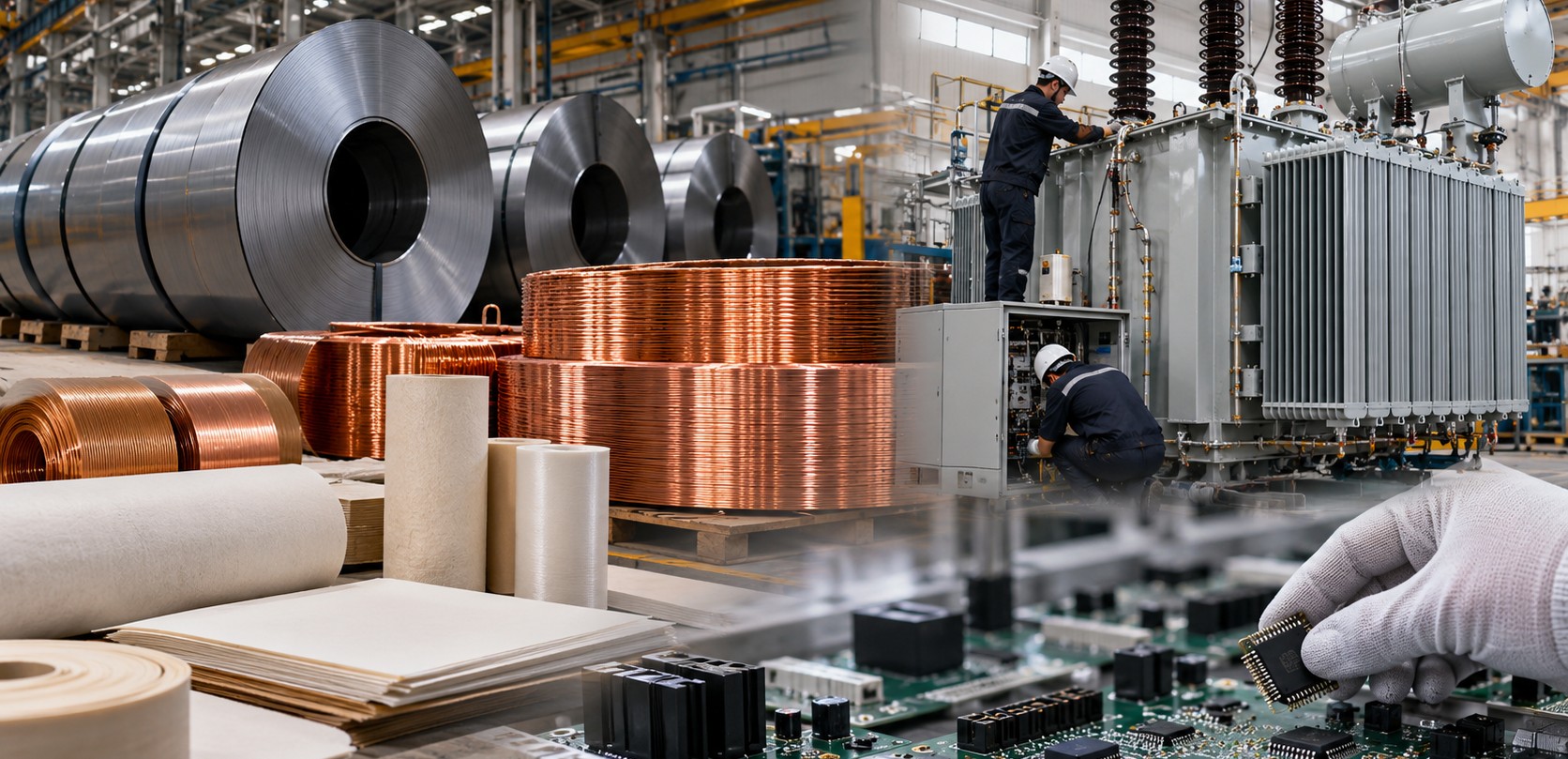
The supply of basic materials used in transformer manufacturing, such as electrical steel, copper and insulation materials, plays an important role in the production process. In addition to supply problems, engineering work, the need for skilled labor and testing procedures also affect production planning and lead times.
Another of the most important points we would like to mention is the chip crisis. As digitalization spreads across the energy sector, the need for electronic components is also growing. Disruptions in the supply of chips used in transformers equipped with digital monitoring, protection, control and communication systems in particular can extend production and delivery times.
According to research published by McKinsey in September 2026, global demand for transformers has exceeded existing production capacity. As a result, lead times can stretch to as long as five years for some models of large power transformers in particular.
We should point out that this does not apply to all transformer types. There are significant differences in production processes, component requirements and lead times between large power transformers, distribution transformers and models that require custom design.
Why Are Long-Term Supply Agreements Becoming More Common?
This crisis and the long waiting times are also affecting the purchasing processes of energy companies and investors. As lead times grow, companies are starting to place their transformer orders at earlier stages of their projects.
Especially in large-scale energy projects, it is becoming increasingly important to sign long-term supply agreements with manufacturers and to reserve production capacity in advance, so that the transformers needed in the future can be obtained on time.
This way, manufacturers can better plan their future orders and production capacity, while buyers can shape their projects around current lead times. As a result, the manufacturer’s capacity, delivery time and supply continuity also play an important role in the transformer purchasing process. Long-term agreements are also seen as a win-win for buyer and seller. Because power equipment is designed to operate for 30 years or more after installation, finding an extremely reliable partner is of great importance. Agreements covering the entire product range reduce the hassle of selecting a separate supplier at each stage and provide a stable operational foundation.

How Is Rising Demand Affecting Energy Projects?
Because of longer lead times, project owners need to define their technical requirements in advance, evaluate alternative suppliers and build their procurement plans accordingly. Manufacturing companies are expanding their production capacity to meet growing demand. Many companies around the world are investing in energy and production facilities, either in their current locations or in other countries. All of these companies, which are stepping up their investments to meet current demand, are in fact investing in the future as well. After the manufacturers, distributors and sales companies become the key players. By following the principle of the right product and the right stock, these intermediary companies become project owners’ strongest solution partners.
Early Planning and Supply Reliability
Transformer manufacturers around the world are investing to increase their production capacity in order to meet growing demand. However, building new facilities, training skilled personnel and starting production all take time.
Early planning in transformer procurement is more important than ever. Defining the technical requirements of projects in advance, evaluating suitable supply options and planning realistic delivery times can help prevent potential delays.
Especially in this period of longer lead times, working with a reliable distributor helps manage purchasing processes more soundly, reduces potential supply risks and keeps projects on the planned schedule.
We Closely Follow Developments in the Energy Sector
For oil-immersed and dry-type transformer needs, we consider it important to evaluate supply conditions and project schedules together with technical requirements.
In this period when investments in energy infrastructure are gaining speed, planning the right equipment at the right time is one of the key elements of successful projects.